Peptide supplements are showing up everywhere, from wellness podcasts to longevity research labs to your social media feed. But if you’re used to reaching for a daily multivitamin or a vitamin D capsule, the word “peptide” might feel unfamiliar. What are these compounds, exactly? How do they work? And why are so many people adding them to routines that already include traditional vitamins and minerals?
This guide breaks it all down in plain terms so you can decide whether peptide supplements belong in your wellness routine.
First, the Basics: What Is a Peptide?
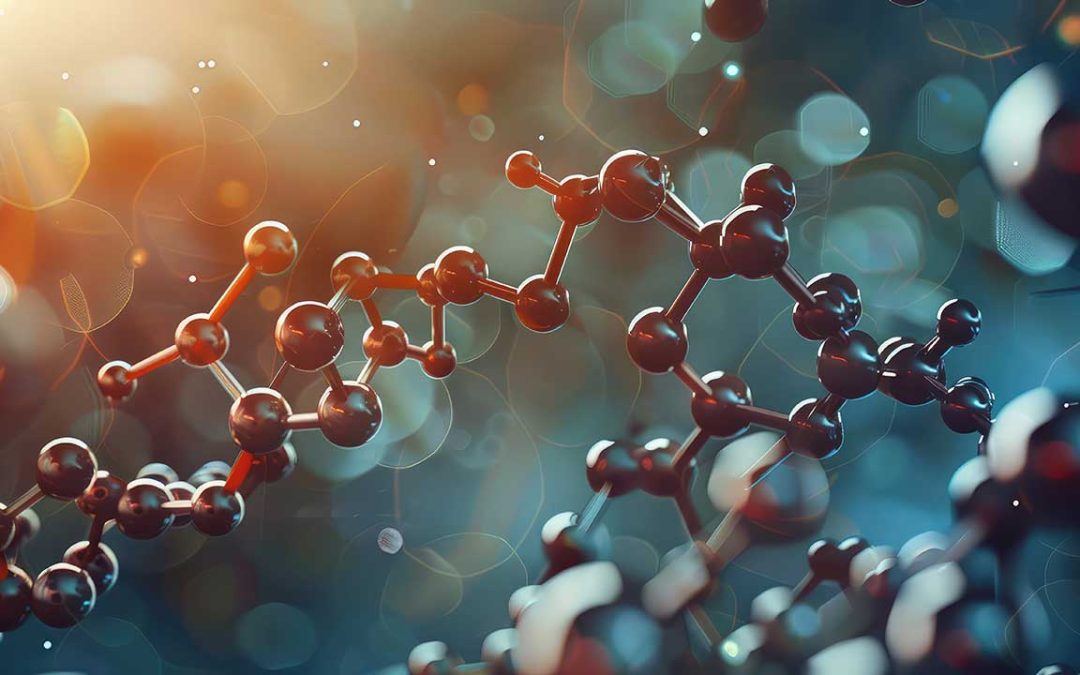
Peptides are short chains of amino acids, typically between 2 and 50 amino acids long. Your body produces them naturally, and they play a role in nearly every biological process you can think of: signaling cells to repair tissue, regulating inflammation, supporting immune response, and influencing hormone activity. According to Medical News Today, peptides may play a beneficial role in slowing the aging process, reducing inflammation, and supporting immune function.
If that sounds similar to what proteins do, you’re not wrong. Proteins are also made of amino acids. The difference is size: proteins are longer, more complex chains. Peptides are smaller, which means the body can absorb and utilize them more efficiently.
Peptide supplements take specific, well-studied peptide sequences and deliver them in precise oral or topical forms to support targeted biological pathways, often under the guidance of wellness and pharmacy professionals.
So How Are Peptide Supplements Different from Vitamins?
Traditional vitamins and minerals (think vitamin C, magnesium, zinc, B12) are essential micronutrients. Your body needs them to function, and when levels run low, the effects are noticeable: fatigue, weakened immunity, poor sleep, slow recovery. Supplementing with vitamins fills a gap. You’re giving the body a building block it needs but isn’t getting enough of through food.
Peptide supplements work differently. Rather than simply filling a nutritional gap, peptides act as signaling molecules. They communicate with your cells, telling them to do something specific: produce more collagen, reduce an inflammatory response, support mitochondrial energy production, or activate repair pathways. As researchers at Columbia University Irving Medical Center explain, peptide supplements are designed to promote healing and recovery, support anti-aging processes, and enhance physical performance, which sets them apart from dietary supplements that simply add nutrients like vitamins and minerals.
Think of it this way: vitamins are the raw materials. Peptides are the instructions that tell your body what to build with them.
What Kinds of Peptides and Bioactive Compounds Are Available?
The peptide and bioactive compound category has expanded quickly, but a few stand out for the quality of research behind them.
GHK-Cu (Copper Peptide) is one of the most studied regenerative peptides. It occurs naturally in human blood plasma and plays an active role in tissue repair and collagen production. A peer-reviewed study published in the journal Cosmetics found that GHK-Cu stimulates collagen and elastin synthesis, accelerates wound healing, and supports skin regeneration. Notably, plasma levels of GHK-Cu decline significantly with age, which is one reason it has become a popular anti-aging supplement.
NMN (Nicotinamide Mononucleotide) is a precursor to NAD+, a coenzyme essential for energy metabolism, DNA repair, and cellular function. NAD+ levels drop as we age, and NMN supplementation is one way to support their restoration. A clinical trial published in NPJ Aging found that oral NMN supplementation at 250mg per day was well tolerated in older men and significantly increased blood NAD+ levels.
KPV is a tripeptide fragment derived from alpha-MSH (alpha-melanocyte-stimulating hormone) that has drawn attention for its anti-inflammatory properties, particularly related to gut health and immune modulation.
Methylene Blue is a well-established bioactive compound with a long history in clinical medicine. More recently, it has drawn interest in the wellness space for its ability to support mitochondrial function. Research suggests it may enhance cognitive performance and offer neuroprotective benefits by improving the efficiency of the electron transport chain in your cells. Because of its pharmaceutical profile, Methylene Blue is best used with guidance from a licensed pharmacist or healthcare provider.
Can You Take Peptides and Vitamins Together?
Absolutely. In fact, peptides and traditional supplements often complement each other. Vitamins provide the foundational nutrients your body needs to run its basic processes. Peptides layer on top of that foundation by activating specific cellular pathways that vitamins alone don’t address.
For example, you might take vitamin C to support collagen production (it’s a required cofactor in that process) while also supplementing with GHK-Cu to signal your skin cells to ramp up that production. One provides the raw material; the other delivers the cellular instruction.
What to Look for in a Peptide Supplement
Quality matters more in this category than almost any other area of supplementation. Because peptides are bioactive compounds with specific signaling functions, purity and potency directly affect whether a product works as intended.
A few things to look for:
- cGMP-certified manufacturing, which ensures the product was made under strict quality controls
- Third-party testing for identity, purity, and potency
- Transparent labeling with clearly stated dosages and ingredients
- Pharmacist oversight, which is rare in the supplement industry but makes a significant difference in product selection and customer guidance
At The Compounding Lab, every peptide supplement we offer meets these standards. Our products are sourced from manufacturers that follow certified good manufacturing practices, independently tested, and backed by the clinical expertise of our licensed pharmacy team. If you have questions about which peptide is right for your goals, our pharmacists are available to help.
The Bottom Line
Peptides and advanced bioactive compounds aren’t a replacement for your daily vitamins. They’re a different tool entirely. While vitamins and minerals fill nutritional gaps, peptides communicate with your cells to support targeted processes like tissue repair, energy production, inflammation management, and healthy aging. As research continues to grow, these compounds are becoming an increasingly important part of the wellness conversation.
If you’re ready to explore what peptides and bioactive compounds can do for you, browse our full product lineup. Because some of these advanced compounds benefit from specific formulation or clinical oversight, our licensed pharmacy team is here to guide you on the right protocols. Reach out anytime for personalized guidance.
These statements have not been evaluated by the Food and Drug Administration. These products are not intended to diagnose, treat, cure, or prevent any disease. Consult with a healthcare professional before starting any new supplement regimen.